
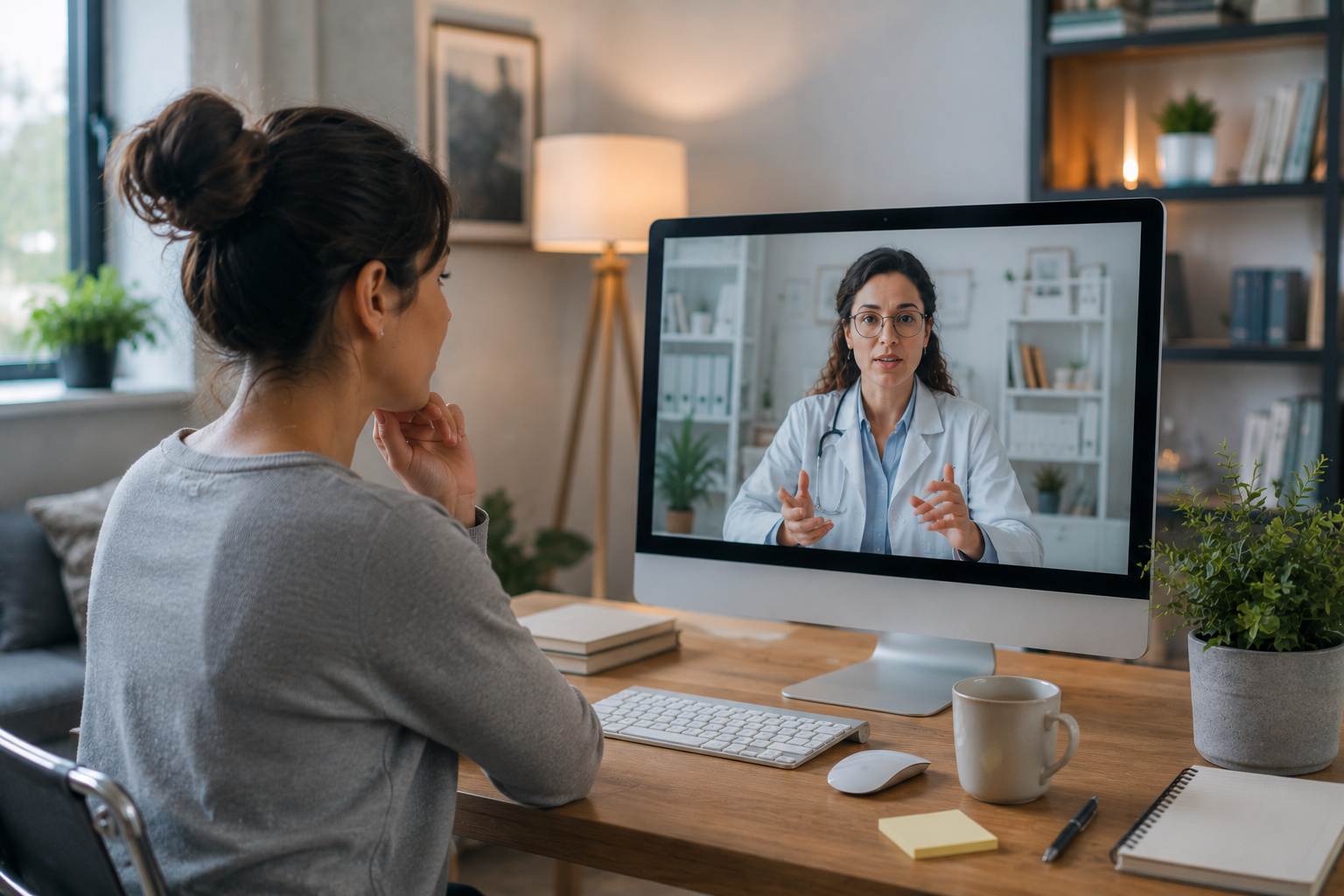
Mental health care has undergone a significant transformation in recent years, with technology making psychiatric expertise more accessible than ever before. For many people, the idea of meeting with a psychiatrist through a screen rather than in a traditional office still raises questions. At its core, telepsychiatry is simply the practice of seeing a psychiatrist over videoconference, allowing patients to receive expert mental health care without the barriers of distance or limited local availability. Providers such as FasPsych deliver this care across the United States in a variety of settings. Understanding how this approach works and what to expect from it can help anyone considering psychiatric care make an informed decision about their options.
Understanding the Basics
Telepsychiatry uses secure, real-time video technology to connect patients with licensed psychiatric providers. The interaction closely resembles a traditional appointment — the patient and psychiatrist see and speak with each other directly, discussing symptoms, history, and treatment in the same way they would in person. The key difference is simply that the conversation happens through a screen rather than in a shared room.
Telepsychiatry sessions can take place in several settings:
- at a doctor’s office or clinic equipped with video technology;
- within hospitals and emergency departments;
- at the patient’s own home through a personal device;
- in community mental health centers;
- at schools, colleges, and universities;
- in correctional facilities and other institutions.
While many sessions occur at doctors’ offices where patients use the facility’s equipment, the technology is flexible enough to reach people in their own homes or other convenient locations. This adaptability is precisely what makes the model so valuable — it meets patients where they are, removing the transportation, scheduling, and geographic barriers that often prevent people from accessing psychiatric care in the traditional system.
How a Typical Session Works
A telepsychiatry appointment follows much the same structure as an in-person visit. The patient connects through a secure video platform at the scheduled time. The psychiatrist conducts an interview, asks about symptoms and history, and discusses concerns just as they would face to face. Based on this conversation, the provider can offer a diagnosis, develop a treatment plan, prescribe medication when clinically appropriate, and arrange follow-up care. The clinical substance of the visit remains fully intact.
Why Telepsychiatry Has Grown
The rapid expansion of telepsychiatry is not merely a matter of convenience — it responds to real and persistent problems in the mental health care system. Across the country, the gap between the need for psychiatric care and the availability of providers has created serious challenges for patients.
Several factors drive the growth of this model:
- A nationwide shortage of psychiatric professionals.
- Limited access to psychiatrists in rural and remote areas.
- Long wait times for appointments in many regions.
- Transportation and mobility barriers for some patients.
- The need for psychiatric coverage in underserved facilities.
- Growing comfort with video-based communication.
The shortage of psychiatrists is perhaps the most significant driver. Many areas of the country, particularly rural communities, have few or no practicing psychiatrists within a reasonable distance. For people in these regions, telepsychiatry may be the only practical way to access specialized psychiatric care at all. By connecting patients with providers regardless of location, the model effectively eliminates geography as a barrier to receiving quality mental health treatment.
Addressing Common Concerns
Some people naturally wonder whether care delivered over video can match the quality of an in-person visit. For most psychiatric care, which centers on conversation, assessment, and medication management, the video format works remarkably well. Patients can communicate openly, providers can observe and assess effectively, and treatment proceeds with the same clinical rigor. For situations that genuinely benefit from physical presence, blended approaches exist that combine both methods as needed.
The Hybrid Option
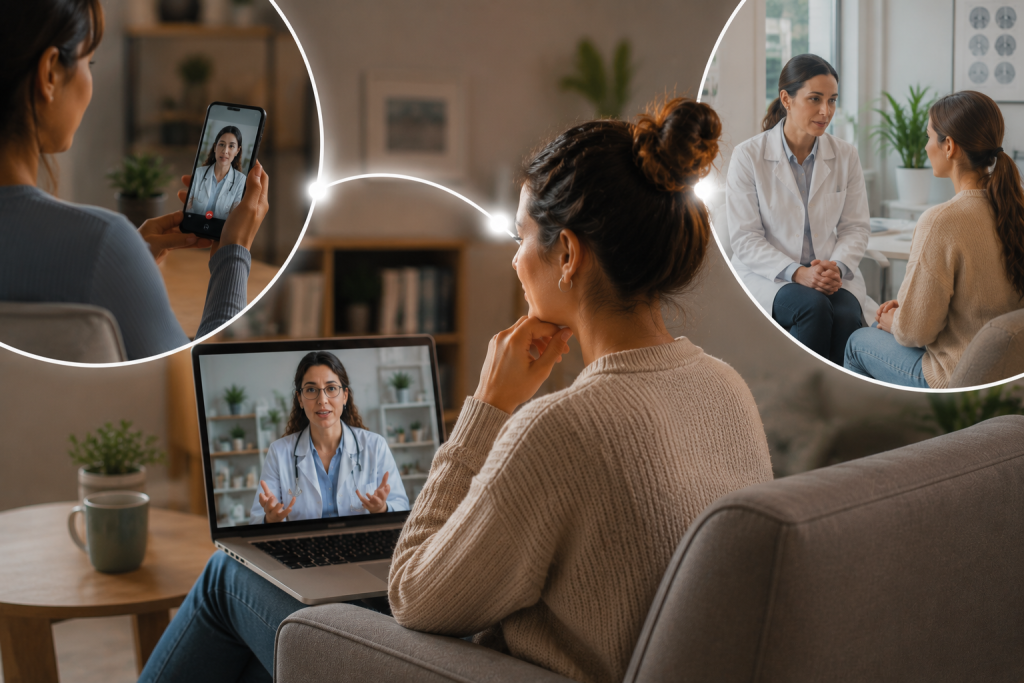
Recognizing that some situations call for in-person interaction, many providers now offer flexible arrangements that combine remote and face-to-face care. The hybrid telemedicine approach allows for an initial in-person visit at a clinic or hospital, followed by subsequent appointments conducted from the patient’s home over video. This model captures the benefits of both methods.
The hybrid approach offers distinct advantages:
- an in-person initial evaluation when clinically preferred;
- the convenience of remote follow-up appointments;
- flexibility to match the format to each situation;
- reduced travel for routine ongoing care;
- preserved access to face-to-face interaction when needed;
- continuity of care across both delivery methods.
This arrangement works particularly well for patients who value an initial face-to-face meeting to establish the relationship, then prefer the convenience of remote sessions for ongoing care. The first visit at a clinic or hospital allows for a thorough in-person assessment, while later appointments from home eliminate the need for repeated travel. It represents a thoughtful balance between accessibility and the personal connection some patients prefer at the start of treatment.
Choosing Quality Care
For patients and organizations alike, the quality of telepsychiatry depends heavily on the provider behind it. Not all services operate to the same standards, and understanding what distinguishes quality care helps in making good decisions about where to seek treatment.
Markers of quality telepsychiatry include:
- licensed, qualified psychiatric providers;
- secure technology that protects patient privacy;
- consistent providers rather than rotating staff;
- a range of provider types for different needs;
- flexible options including both remote and in-person care;
- thorough evaluations and ongoing monitoring;
- coordination with the broader care team.
Among the various telepsychiatry companies operating today, the best ones prioritize continuity by pairing patients with a consistent provider rather than connecting them to whoever happens to be available. This continuity is especially important in psychiatry, where familiarity with a patient’s history and the strength of the therapeutic relationship directly influence treatment outcomes. Privacy protection through secure, compliant technology is equally essential, ensuring that sensitive conversations remain confidential throughout every session.
Telepsychiatry has fundamentally expanded access to mental health care, making psychiatric expertise available to people who might otherwise go without it. For anyone considering this option, the model offers a practical, effective, and increasingly common way to receive quality psychiatric care. Whether through fully remote sessions or a hybrid arrangement that combines in-person and video visits, telepsychiatry meets patients where they are and removes many of the barriers that have long stood between people and the mental health care they need. Understanding how it works is the first step toward taking advantage of what this approach has to offer.

